Introduction
In the years leading up to the article's publication on 23 April 2026, designer bags had become more than fashion objects and could signify personal taste. Selected models recorded price gains in some past market periods, but outcomes depended on the model, condition, authenticity, configuration and timing. Vivy Brandname's experience up to that date suggested that some people used or bought them without basic knowledge, unknowingly weakening their resale prospects.
1. Using a bag without considering its value is the first mistake
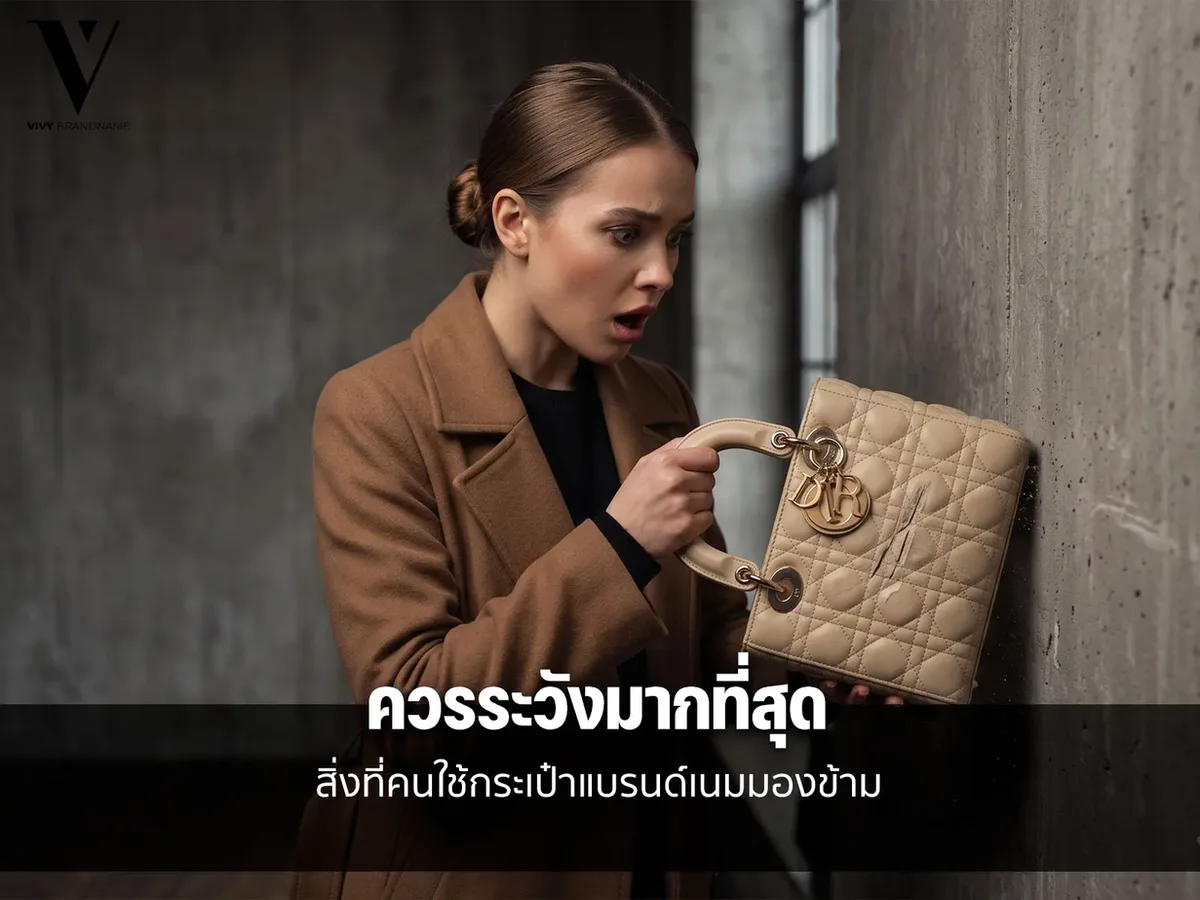
The most common issue Vivy Brandname sees is a designer bag treated like an ordinary one: overloaded, placed carelessly on the floor or exposed to moisture and sunlight for long periods. These habits may seem minor, but directly affect condition, the most important factor in resale pricing. With designer bags, better condition generally means higher value. Worn corners, creased leather or loss of shape can immediately reduce value by tens of percent. Proper use is therefore about long-term value as well as appearance.
2. Buying for a trend rather than personal suitability
Another frequent mistake is choosing a popular model without considering whether it fits one's lifestyle. A bag bought after seeing social-media images or an influencer may prove to be the wrong size, difficult in colour or unsuitable for one's wardrobe. It is then used less and eventually resold below the purchase price.
Vivy Brandname therefore recommends beginning with the suitability of the bag for its owner, not its popularity in the market.
3. The risk of counterfeits and unchecked goods
The designer-bag market, particularly resale, has grown rapidly alongside its risks. Buying from an unreliable source or being persuaded by a price that is too low can result in an unrecognised counterfeit. Small details including stitching, logos, materials and serial numbers require careful examination. Buyers without experience should strongly consider professional authentication, because one mistake can mean a substantial and unrecoverable loss.
4. Misunderstanding designer bags as investments
Historical market data shows that selected classics or limited releases recorded price gains in some periods, but this does not make every bag an investment. Demand and prices can change, while seasonal models or highly specific colours may decline over time. Results depend on the model, condition, authenticity, configuration and timing.
Vivy Brandname cautions that buying a designer bag in expectation of profit should rest on evidence and understanding, not a general belief.
5. Neglecting long-term care
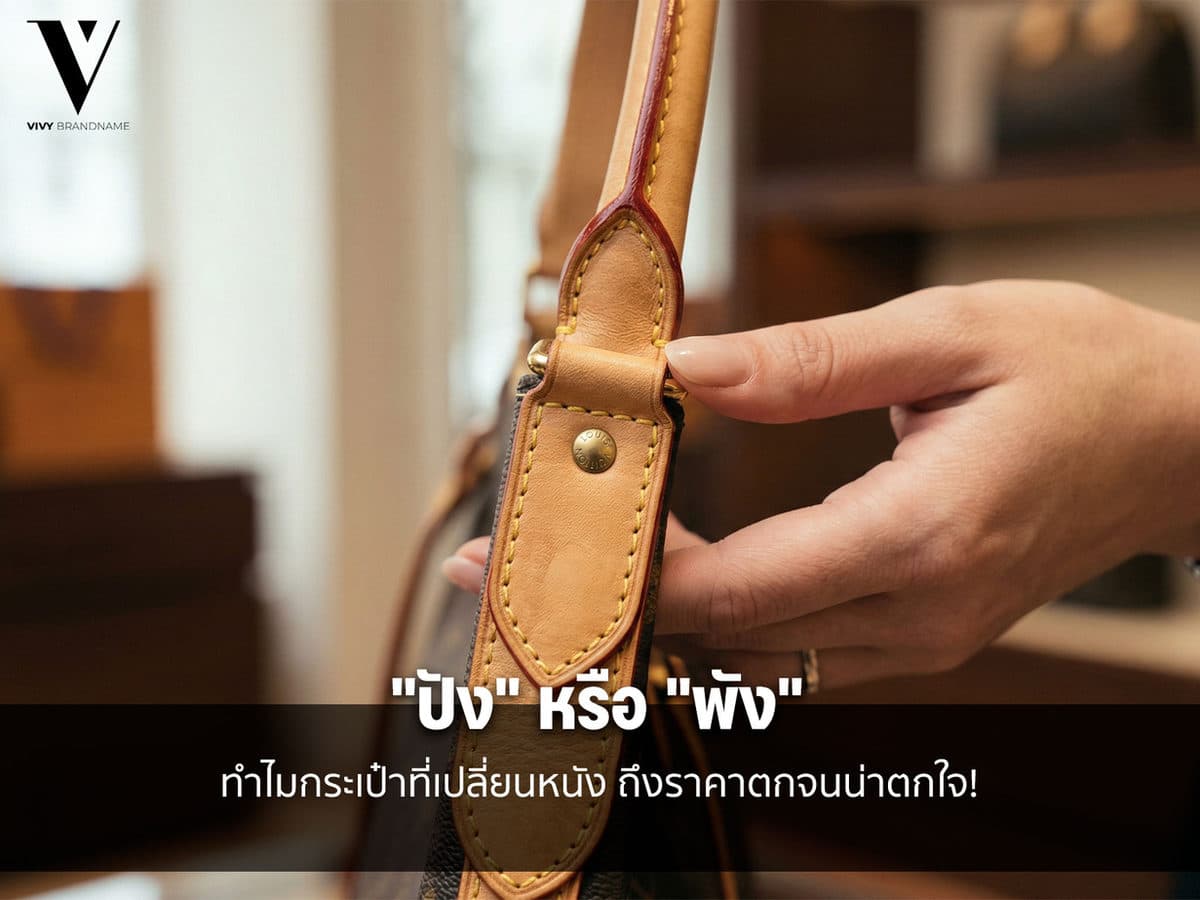
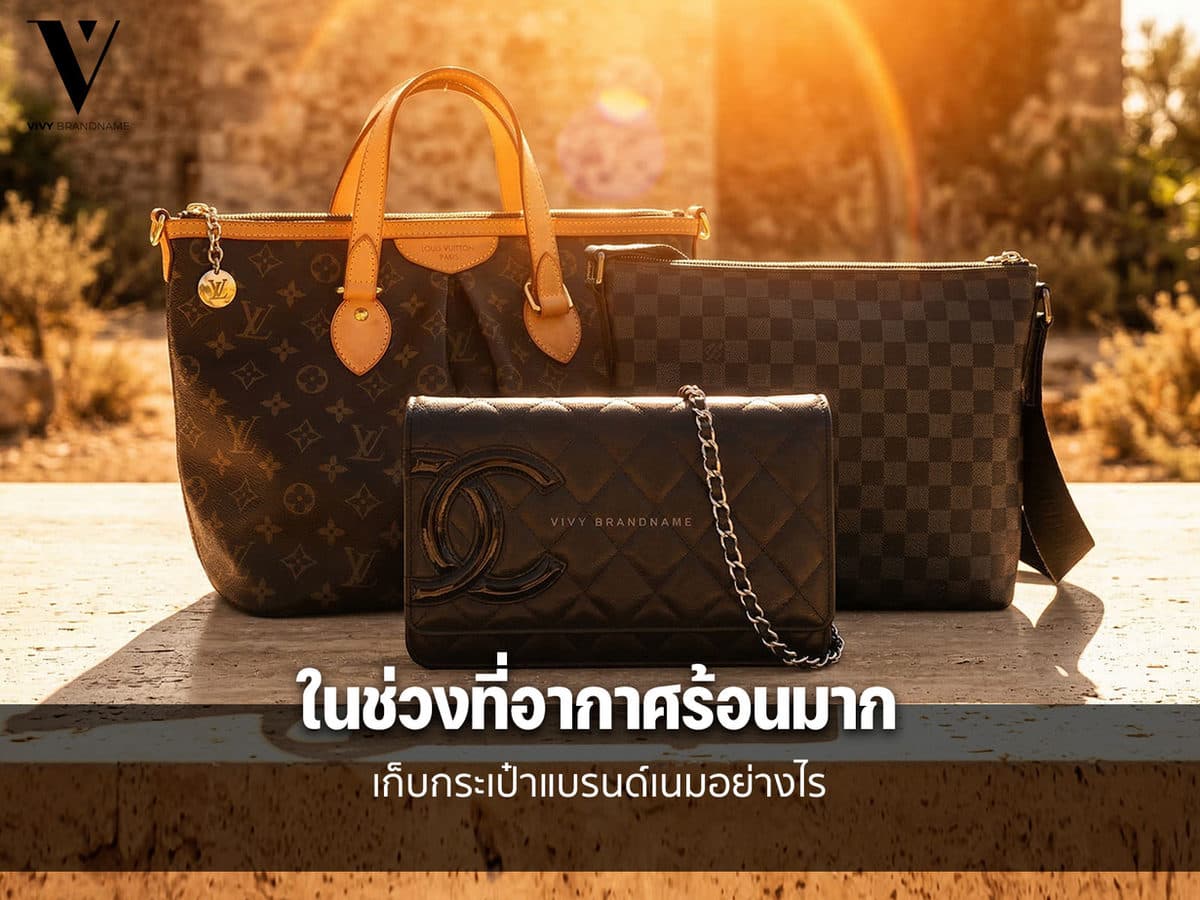
Designer bags need appropriate care, including dry storage, moisture control and cleaning suited to the material. Neglect can lead to mould, dry leather or fading, affecting appearance and value.
Good care extends useful life and keeps a bag as close to new condition as possible, an important consideration in resale.
Vivy Brandname's central warning is that a designer bag is not merely an everyday object. It is a high-value item whose resale outcome is influenced by the owner's decisions and care, as well as the model, authenticity, configuration and market timing. Thoughtful buying, informed use and correct maintenance help 1 bag serve its purpose and preserve its condition, but cannot guarantee a future price. In the designer-bag market, the greatest advantage belongs not to the person who spends most, but to the person who understands both selection and care.