Introduction
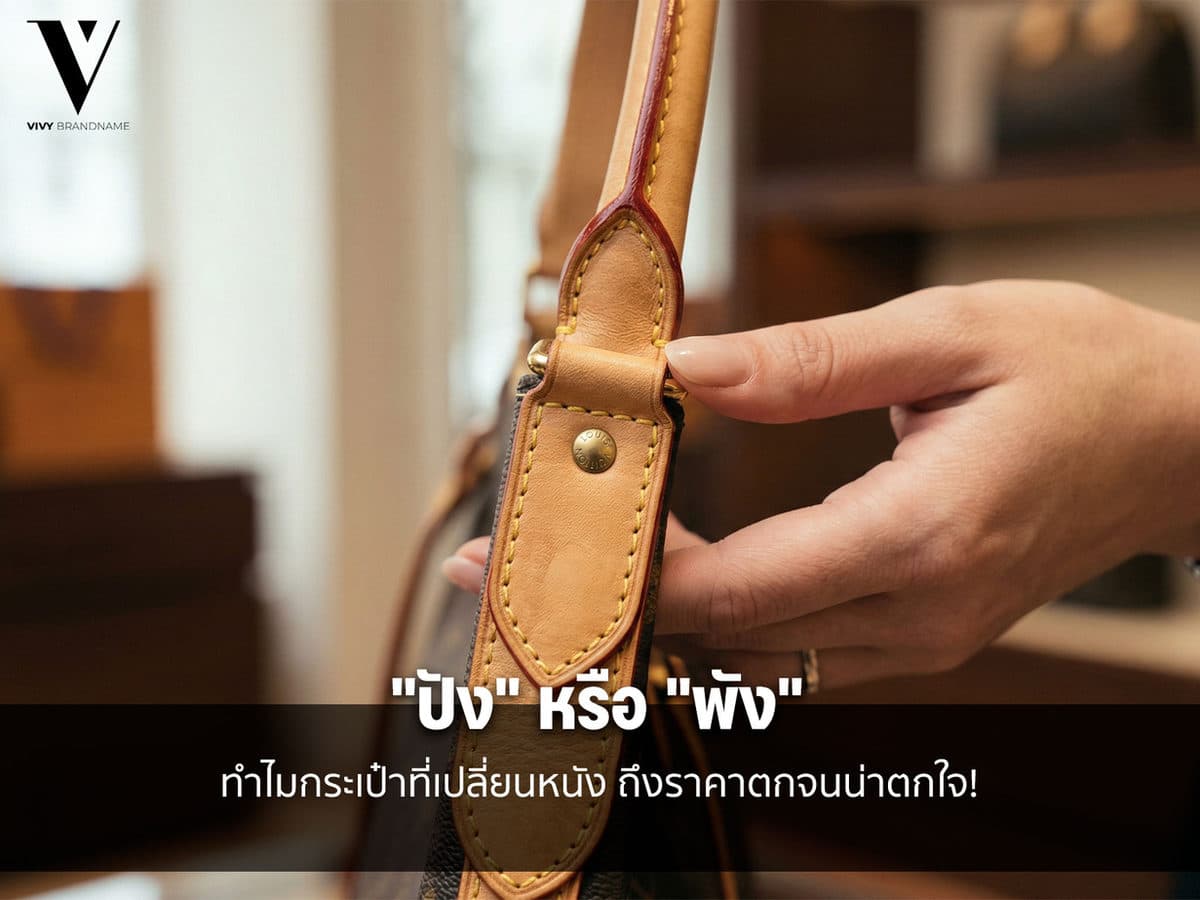
Owners of Louis Vuitton and other bags with Vachetta leather will know the problem. Over time, the leather darkens to a deep brown and develops water or perspiration marks, creating the temptation to replace all the Vachetta and make it look fresh from the boutique.
Pause before sending a favourite bag for such extensive work. In the resale market, replacing Vachetta can become a serious problem that sharply reduces value. Vivy Brandname examines why ‘new’ can be harder to sell than ‘original’.
Why does Vachetta replacement reduce resale value?
Even if the bag looks pristine, why might collectors or buying specialists reject it? There are 3 principal reasons.
1. Loss of originality
In the designer market, originality is fundamental. Leather replaced outside the brand's own workshop through a third-party repair immediately removes the bag from its original condition. Serious collectors may no longer regard it as the same factory-made bag from France or Italy.
2. Workmanship details are difficult to reproduce
However skilled the craftsperson, reproducing a global house's signature stitching and edge paint is extremely difficult.
- Stitch angle: the precise angle of the thread
- Thread colour: the shade must match exactly
- Date code: leather replacement may cover or remove it, creating a significant authentication issue
3. The ‘Frankenstein bag’ effect
Imagine canvas used for 10 years, softened and polished by age, paired with handles that are stark white, rigid and visibly mismatched. The contrast looks unnatural and immediately signals extensive repair.
If the Vachetta has begun to darken, first consider a professional cleaning treatment or a dedicated leather-care product rather than replacing all the leather. If replacement is unavoidable and future resale matters:
- Use the brand's official repair service: it costs more and takes longer, but the receipt documents authorised work, strengthens provenance and can support buyer confidence during authentication
- Retain the original components if possible, or take detailed before-and-after photographs for transparency with a future buyer